
Navigating the Emotions of the TED Inactive Phase

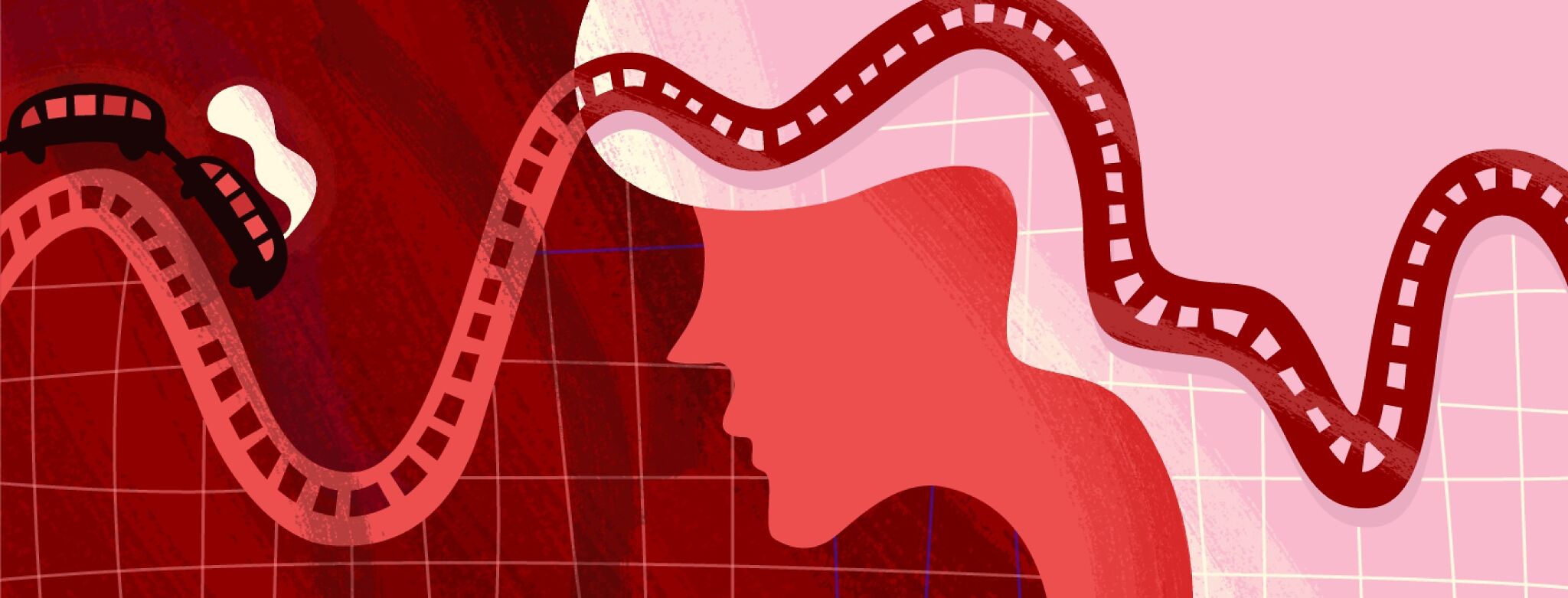
My ride on the roller coaster that is thyroid eye disease may have ended but I’m not taking my seatbelt off just yet.
Cautious optimism in the wake of recovery
I’ve learned through the ups and downs that I need to stay cautiously optimistic. When I first started noticing my symptoms subsiding, I was in a constant state of disbelief. The eye bulging, sensitivity to light and sharp shooting pains I had experienced were quietly slipping into my past, but I was always standing at the ready with my arsenal of tools used to fight those symptoms.
When the body heals faster than the mind
Just as in the first months of experiencing the symptoms, when I took my million questions to the doctors and specialists, I stubbornly dismissed their diagnosis. As my eyes retreated back into their rightful place, the constant tearing, and sharp stabbing pains becoming less noticeable had me questioning if my diagnosis had been correct. Thyroid eye disease can be challenging to navigate, but for me, the brain seems to be the last to get on board. This makes it difficult to be emotionally stable through each phase.

In the early stages, I cried and mourned my eyesight. I became angry and even questioned my own actions that may have led to this. I fell into bouts of negativity. Thus, was the beginning of this roller coaster ride. With symptoms subsiding, I was completely surprised when there was no confetti, balloons or streamers falling from the sky. Strangely, there has been no real celebration. Why? What is holding me back from that sense of joy I’d been longing for?
Defining "inactive"
Inactive. There it is. One little word. Inactive. That word, new to my vocabulary is what anyone in the active phase of thyroid eye disease wishes for, begs for, and anticipates with great hope. Don’t get me wrong, it’s a glorious, wonderful thing. It means my eyes can see almost normal again, no more double vision, light is less blinding, and wind less painful. So what gives?
The word inactive simply means “NOT active,” the opposite of active. To me and my cautiously optimistic, slow-to-fully-comprehend brain, the two are tied together. To be in an inactive phase, makes me think there may one day be an active phase. So, I stay buckled into my seat on this roller coaster.
Finding joy in the "ordinary"
I enjoy being able to look up into the sky and watch a bald eagle soar high above me on a sunny day. Walking on a windy day no longer means dressing myself in what I referred to as ‘my costume”; I just grab my jacket and go. I no longer feel nauseous while sitting on the porch swing. I can read a book again. I can watch tv, at night, with the rest of the lights off. My appreciation for these things may actually be that “confetti”, or celebration I craved. The way these things make me stop in my tracks and pay attention to the fact that I am able to do them again is certainly an emotional relief. I’m trying hard to give them all my full attention.
A message of hope
Along the way, I often thought I would never have relief from the symptoms that are associated with this disease. So, while I sit here in the inactive phase, buckled into my seat, I write this article with the intent to bring hope to the reader who may be heading into the first big hill on this roller coaster ride. The inactive phase can show up at any moment. Until then, try to stay positive and give yourself and your eyes every grace. Like me, relief for you may just be around the next bend in the track.
Join the conversation